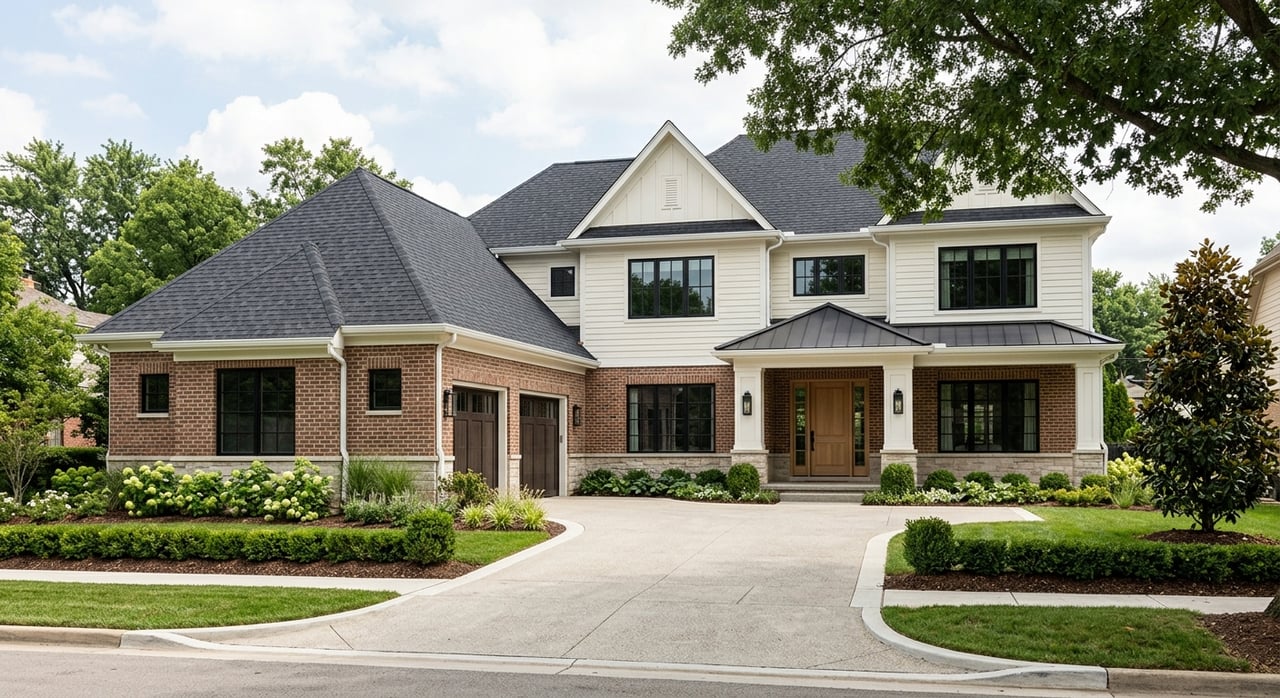
Thinking about buying new construction in Apex? The model home may be beautiful, but the smartest decision usually happens outside the sales center. When you buy a new-build home here, you are also buying into a corridor, a planning area, and a set of future changes that can shape your daily life and long-term resale. This guide will help you look beyond finishes and incentives so you can evaluate Apex new construction with more clarity and confidence. Let’s dive in.
Why Apex New Construction Requires Research
Apex continues to grow, but that growth is not happening randomly. According to the Town of Apex, development is being directed into specific areas, including the I-540 / South Salem Street activity center, and the Town adopted the Western Big Branch Area Plan in November 2024 to update land use and transportation assumptions for parts of Friendship and New Hill.
For you as a buyer, that means a new home purchase is about more than the house plan. Nearby roads, future density, and possible commercial or transit-oriented uses can affect commute patterns, privacy, traffic, and how the area feels over time. The Town’s Unified Development Ordinance also governs zoning, subdivision, and site-plan review, which makes it a useful resource when you want to understand what could be built nearby.
Compare More Than the Model Home
It is easy to focus on design selections, builder incentives, and square footage. Those details matter, but they are only part of the picture. In Apex, a strong new-construction decision also includes the lot itself, the surrounding planning area, and the costs and restrictions tied to ownership.
A home near a major corridor may offer easier access for commuting, but it may also be more exposed to future traffic or land-use change. That is why it helps to compare both the subdivision lot and the broader area plan before you commit.
Look at the Surrounding Corridor
If you are considering a community near planned growth areas, take time to understand what the Town has already mapped out. Apex planning documents note future transportation concepts and growth patterns, especially in areas like the I-540 / South Salem corridor and western Apex planning areas. Those changes can influence backyard privacy, road noise, and future development around the neighborhood.
This does not mean those areas are a poor choice. It simply means you should evaluate them with open eyes and match the location to your priorities.
Compare Lot Position Carefully
Two homes in the same community can have very different long-term appeal. A lot that backs to future roads or higher-intensity uses may feel different a few years from now than it does on opening day.
As you compare lots, ask for:
- The recorded lot map
- Setback information
- HOA documents
- Utility details
- Any nearby planned roads or land-use changes
Verify Jurisdiction and Utility Status
Before you get attached to a homesite, confirm where the parcel sits from a jurisdiction standpoint. The Town of Apex says buyers can use its tools to determine whether a parcel is in the corporate limits, the ETJ, or the Wake County Apex Long Range Planning Area, because that status can affect annexation, rezoning, and water or sewer connection requirements. You can start with the Town’s water and sewer connection guidance.
This step matters because utility access and jurisdiction can affect both timing and cost. The Town also notes that some easement work may require an attorney and surveyor, and certain tap work must be completed by a private licensed utility contractor.
Understand Contracts and Due Diligence
North Carolina new-construction purchases still follow the state’s due-diligence structure in many cases. Under the commonly used standard form 2-T, the due diligence fee is negotiated, paid to the seller on the effective date, and is generally nonrefundable unless the seller materially breaches the contract or another provision allows termination. The North Carolina Real Estate Commission explains this in its guidance on due diligence fees.
Because of that, you want to understand the contract terms before you deliver funds. There is no single “normal” due diligence amount. The NCREC notes that it is negotiable and can vary based on market conditions, the property, and the length of the due diligence period, as outlined in its due diligence Q&A.
New Homes Have Different Disclosure Rules
One detail many buyers miss is that the first sale of a dwelling that has never been inhabited is generally exempt from North Carolina’s standard residential property disclosure requirement. You can review that directly in Chapter 47E of the North Carolina General Statutes.
In plain terms, that means you may not receive the same type of disclosure package you would expect with a resale home. That makes your own review of plans, specifications, inspections, HOA documents, and contract terms even more important.
Yes, You Still Need Inspections
A brand-new home is still a home built by people, trades, timelines, and multiple handoffs. The NCREC states that home inspections provide critical information, even in newer properties, and notes that a certificate of occupancy confirms that permits were obtained and the home was inspected during construction. You can read more in the Commission’s guidance on home inspections and broker duties.
That does not mean you should rely only on the certificate of occupancy. It is wise to verify the permit trail and inspection history before closing.
Check Permit History Before Closing
Apex makes this easier than many buyers realize. The Town’s building inspections portal allows users to search permits by address or permit number and view inspection results.
That gives you a practical way to confirm that the permit record exists and that inspections have been logged. It is a simple but valuable step when you want to verify details independently instead of relying only on builder-provided paperwork.
Review HOA Costs and Ongoing Ownership Expenses
Monthly ownership costs in a new community often go beyond principal and interest. If the home is part of an owners’ association, North Carolina’s disclosure framework treats HOA information as material, including association contact information, regular dues, and services paid for by those dues. That requirement is also outlined in Chapter 47E.
You will want to read covenants and restrictions carefully. HOA rules can affect everything from exterior changes to parking and lot use, and the dues should be considered part of your real monthly housing cost.
Apex buyers should also account for local tax and utility-related expenses. The Town’s FY25-26 budget sets the town property-tax rate at $0.356 per $100 of assessed value, and the Town notes that residential stormwater utility fees can range from $1.50 to $10 per month depending on impervious surface.
Think About Resale on Day One
No one can guarantee appreciation, but some choices tend to age better than others. In Apex, practical floor plans, usable outdoor space, and lots that are not directly next to the most disruptive future infrastructure may appeal to a broader buyer pool over time. That is a reasonable takeaway from the Town’s corridor planning, even though every resale outcome depends on future market conditions.
It also helps to think about how the neighborhood may feel once construction finishes and the area matures. Apex planning documents reference future underpasses, road realignment, and transit-oriented development in key corridors, which means the setting around your home may evolve during your ownership period.
Verify School Assignment by Address
If school assignment is important to your move, verify it by exact address before going under contract. Wake County Public School System provides an assignment lookup tool that shows base-school, calendar, transportation, and possible enrollment-cap or split-assignment information.
That matters because assignments are address-based and can change when the annual assignment plan is approved. WCPSS also notes that Pleasant Plains Elementary in Apex is among the new schools opening for the 2025-26 school year.
A Smart Apex New-Construction Checklist
Before you move forward on a new-build home in Apex, make sure you can answer these questions clearly:
- What is included in the base price, and what counts as an upgrade?
- Where is the lot positioned in relation to future roads or planned uses?
- Is the parcel in Apex corporate limits, the ETJ, or the long-range planning area?
- Is annexation, rezoning, or utility work still pending?
- What are the HOA dues, services, and restrictions?
- What does the permit and inspection history show?
- What does the due-diligence structure require?
- What are the estimated taxes and stormwater fees?
- What is the school assignment for the exact address?
Final Thoughts on Buying New in Apex
Apex offers appealing new-construction opportunities, but the best outcomes usually come from careful review, not quick decisions. When you treat the model home as the starting point and verify the details that shape ownership, you put yourself in a much stronger position.
If you want experienced guidance as you compare builders, communities, and lot choices in Apex, Margaret Sophie offers personalized support grounded in long-standing Triangle market knowledge and a thoughtful, client-first approach.
FAQs
What should you research before buying new construction in Apex?
- You should review the lot, surrounding planning area, utility status, HOA documents, permit history, due-diligence terms, and any future road or land-use changes mapped by the Town of Apex.
Do you need a home inspection for a new construction home in Apex?
- Yes. The North Carolina Real Estate Commission says inspections provide critical information, even when the home is newly built.
How does due diligence work for new construction in North Carolina?
- In many transactions, the due diligence fee is negotiated, paid on the effective date, and generally nonrefundable unless the seller materially breaches the contract or another contract provision allows termination.
Why does parcel jurisdiction matter for an Apex new-build home?
- Parcel jurisdiction can affect annexation, rezoning, and water or sewer connection requirements, which may influence cost, timing, and future use.
How can you verify school assignment for a new home in Apex?
- You can verify school assignment by exact address using the Wake County Public School System assignment lookup tool, which also shows calendar, transportation, and possible assignment notes.