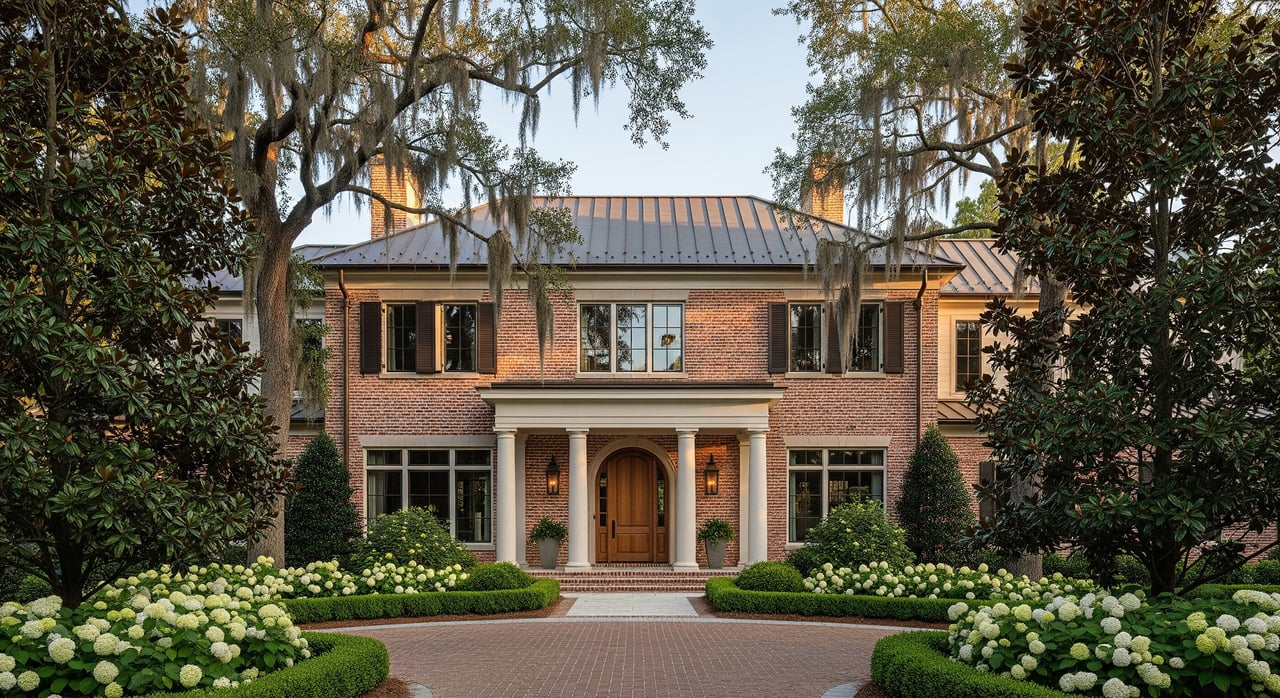
Pricing a seven-figure home in Raleigh is not the same as pricing a mid-range property. You have fewer comparable sales, a smaller buyer pool, and more at stake with each decision. If you want to protect your time and maximize your sale price, you need a strategy grounded in local data and high-end marketing. This guide shows you how to price with confidence in Raleigh and Wake County, why micro-markets matter, and how to quantify premiums like golf-course frontage and acreage. Let’s dive in.
What “luxury” means in Raleigh
Luxury is a local definition. In Wake County, seven-figure homes typically fall in the top tier of sales and behave differently than the broader market. You will see fewer comps, longer average marketing periods, and higher sensitivity to presentation, privacy, and lifestyle amenities.
These homes are distributed across several micro-markets. Urban penthouses and historic districts, suburban estates near top employment centers, golf and country-club communities, and acreage properties each attract a specific buyer pool. That is why your pricing must be tailored to the micro-market that will most likely buy your home.
Know your micro-market
Downtown and midtown Raleigh
Think high-end condos, Hayes Barton, and Five Points. Buyers here value walkability, dining, and proximity to employment. Price discovery focuses on recent urban comps with similar views, building amenities, and finish levels.
North Raleigh and North Hills corridors
Established luxury neighborhoods mix with newer high-end subdivisions. Look for comps that match lot type, privacy, and architectural style. Adjust carefully for age, renovation level, and outdoor spaces.
Golf and country-club communities
Course frontage, club reputation, and membership structure influence value. True on-course lots with views and privacy often command a premium, which you can quantify using paired sales inside the same community.
Western Wake and the Cary border
You will find newer luxury construction and larger lots. Comps often cross town lines when the buyer pool overlaps. Focus on finish quality, modern systems, and outdoor living when making adjustments.
Acreage and estate corridors
Wake Forest, Rolesville, the Raleigh outskirts, and nearby small-town estates offer sizable land holdings. Price per usable acre becomes an important metric. Confirm surveys, easements, and land usability to support the land value component.
A proven pricing framework
Start with the best comps
- Expand beyond a one-mile radius. Pull from the same community or adjacent enclaves that share a buyer pool.
- Favor 3 to 7 closed, arms-length sales from the last 6 to 12 months. Quality beats quantity.
- Use pending and active listings only as context for competition and positioning. Keep them separate from closed comps.
- If your home has unique features, find sales with similar features, even if they are slightly farther away. Then adjust for location.
Make disciplined adjustments
- Lot size and usability, including privacy and view
- Water or golf-course frontage and orientation
- Finished square footage, ceiling heights, and floor plan flow
- Custom finishes, materials, and recent renovations
- Age and condition of systems and roof
- Outbuildings, guest houses, and equestrian or hobby facilities
- Pool, outdoor kitchens, and hardscape
- Club membership terms and any transferable privileges
Time matters too. If pricing is shifting, apply a market-rate time adjustment built from recent local price trends. Use consistent logic you can defend to buyers and appraisers.
Use the cost approach when helpful
For very new custom builds or homes where land value dominates, the cost approach can provide a reality check. Estimate replacement cost minus depreciation, then add land value. This does not replace the sales comparison approach, but it can validate your pricing guardrails.
Plan for appraisal realities
High-value loans sometimes require a second appraisal or a desk review. Appraisers face the same data limits you do. Provide your comp set, a written adjustment rationale, and documentation of any off-market sales you know about. Remember that tax assessor values are not market values in Wake County.
Strategy for time on market
Set your pricing posture
- Aggressive pricing at or slightly below expected value can create urgency and broader interest. The risk is leaving some money on the table if demand is strong.
- Aspirational pricing above expected value aims high. The tradeoff is slower exposure, fewer showings, and longer days on market that can reduce perceived value.
- Testing the market with a pre-planned reduction path can work if you accept a longer timeline. This requires discipline and enhanced marketing.
- Off-market or pocket strategies can preserve privacy and qualify serious buyers. They may reduce competitive bidding, so weigh that trade carefully.
Launch timing and first impressions
The first two to three weeks carry outsized weight. Align your launch with seasonal traffic when possible. Make sure your visual assets and listing copy are exceptional from day one.
Use data-driven review points
Set clear checkpoints at 14, 30, and 60 days. Track showings, inquiries, and buyer feedback by channel. If qualified traffic is low relative to similar listings, adjust exposure first, then price. Avoid multiple small reductions that train buyers to wait.
Quantify premium features
Golf-course frontage premiums
There are two separate premiums to test: the view and privacy that come with true course frontage, and the functional value of club membership. Use paired-sale analysis within the same community to estimate the gap between on-course and off-course homes. If the sample is small, compare community averages for on-course versus interior lots.
Water, views, land, and location
Water frontage, greenbelt adjacency, and mature tree canopy often carry premiums tied to privacy and permanence of view. Acreage value is best expressed as price per usable acre and depends on surveys, slopes, and access. Commute times and neighborhood context can create measurable location premiums when you compare micro-areas with similar homes.
Document the value
Gather HOA and club documents, initiation fees, and any membership transfer terms. Provide surveys, tree and land reports, and any water or drainage easements. Maps and overlays that show view corridors and setbacks help both buyers and appraisers understand the lot’s uniqueness.
Marketing that lifts value
Visuals and storytelling
Professional photography, drone work, and cinematic video increase listing engagement and elevate perceived quality. Detailed floor plans and measured room dimensions help buyers visualize flow. Staging, whether virtual or physical, can reduce time on market and support stronger offers, especially for vacant homes.
Digital and print reach
Targeted digital advertising can reach qualified high-income households across the region and beyond. High-end print collateral and direct outreach to established broker networks still perform well in the luxury niche. International syndication is appropriate when your buyer pool is likely to include out-of-country interest.
Track ROI and adjust
Monitor which channels produce qualified showings. If out-of-market buyers are engaging with your 3D tour and video, amplify those placements. Adjust spend and messaging based on what converts to offers in your price band.
Local data sources that matter
- Canopy MLS for closed sales, pending activity, and days on market
- Wake County Register of Deeds for deed and sale history
- Wake County Tax Assessor for parcel data and assessed values used as background only
- Raleigh planning and zoning maps for setbacks, floodplain, and land-use rules
- Local luxury broker market summaries for high-end demand signals
- National and local price indices for time adjustments and context
- Appraisal Institute and USPAP guidance for methodology
Seller checklist for pricing with confidence
- Select 3 to 7 best closed comps that match micro-market, lot type, and finish level. Write down every adjustment and your reasoning.
- Review pending and active competitors to define your positioning.
- If relevant, run a paired-sale or neighborhood check for golf, water, or view premiums.
- Invest in premium visual assets before launch and budget for targeted digital and print marketing.
- Set 14, 30, and 60-day review points with clear triggers for marketing changes or price adjustments.
- Assemble documentation for unique features, permits, renovations, surveys, and HOA or club rules.
- If a lender appraisal will be part of your sale, engage an appraiser with Wake County luxury experience early.
Work with a local luxury advisor
Seven-figure listings in Raleigh demand precision, presentation, and poise. You deserve a plan that is grounded in local micro-market data and amplified by world-class marketing. With decades of Triangle experience, niche expertise in golf and lifestyle communities, and the reach of a national brokerage, you can price confidently and protect your outcome.
If you want a discreet, data-driven strategy for your sale, connect with Margaret Sophie. Schedule a Consultation.
FAQs
How is a luxury home price set in Raleigh?
- Start with 3 to 7 of the best closed comps from your micro-market, make disciplined adjustments for lot, view, finishes, and condition, then sanity-check with cost and time adjustments.
What if there are few comps for my estate property?
- Expand the search to nearby enclaves with the same buyer pool, prioritize feature-matched comps, and adjust for location; use pending and active listings only for context.
How do golf-course lots affect price in Wake County?
- Estimate two premiums using paired sales within the community: the view and privacy premium for true frontage and any functional value tied to club membership terms.
Should I try an off-market listing first in Raleigh?
- Off-market exposure can preserve privacy and test demand through broker networks, but it may limit competitive bidding; weigh privacy goals against price discovery.
How long should I wait before a price adjustment on a luxury listing?
- Set checkpoints at 14, 30, and 60 days; if qualified showings and inquiries lag similar listings, enhance marketing first, then make a clear, data-supported adjustment.