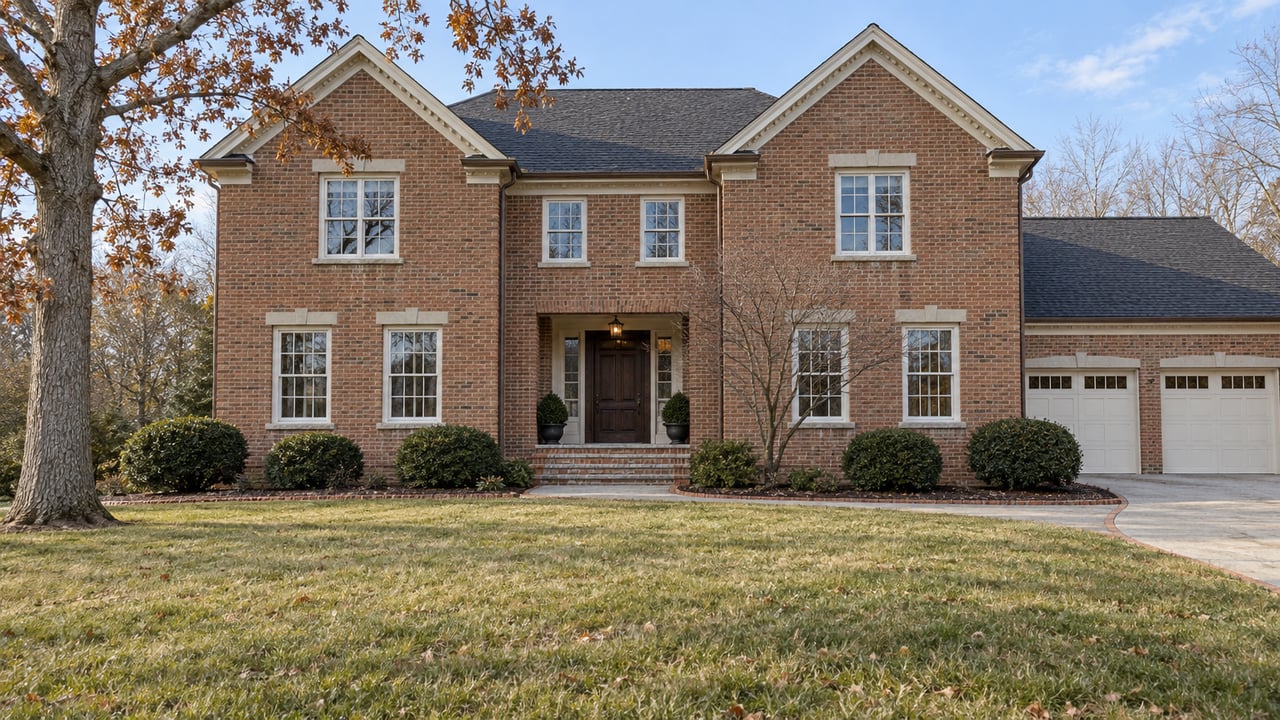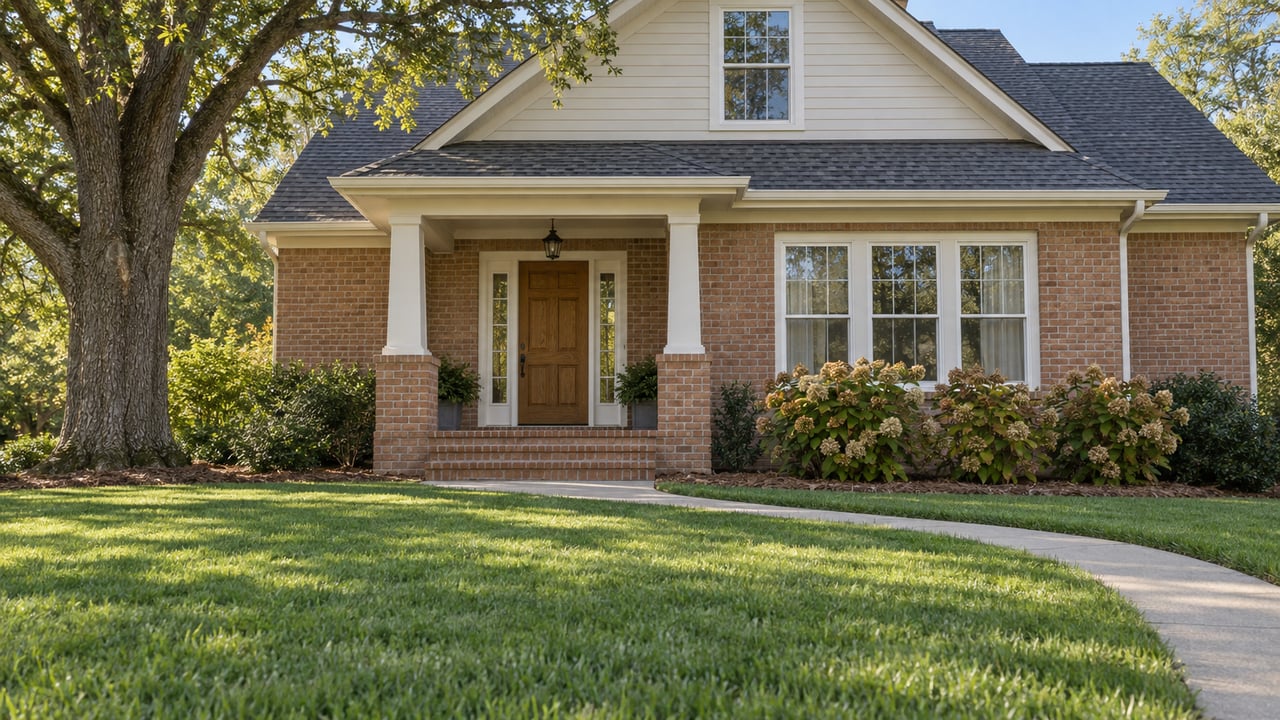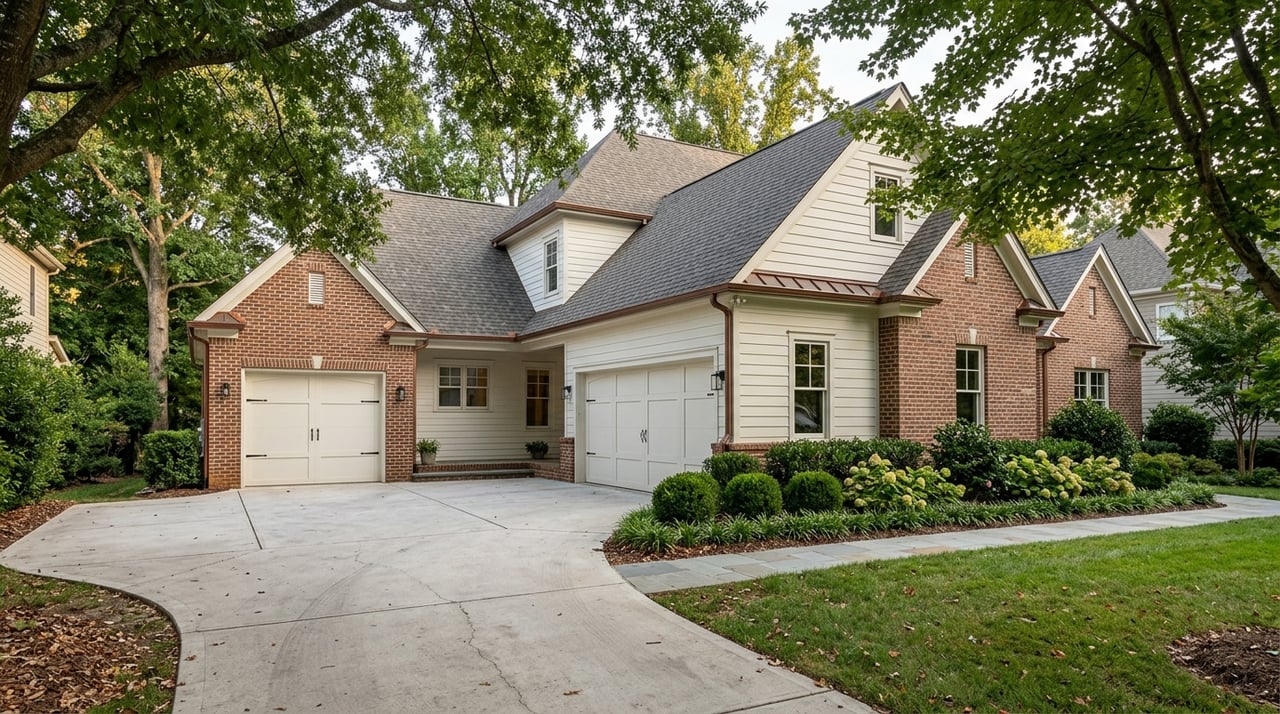
If you are thinking about selling your Chapel Hill home, one question can shape everything that follows: should you renovate first or sell as is? It is a practical decision, not just a cosmetic one, and the right answer depends on your home’s condition, your timing, and your immediate neighborhood market. In this guide, you will learn how to weigh repair costs, buyer expectations, disclosure rules, and resale potential so you can move forward with confidence. Let’s dive in.
Chapel Hill market context
Chapel Hill remains a high-value housing market, but buyers are not saying yes to everything. Recent 2026 data shows median sale prices in the low to mid-$600,000s depending on the source, with homes going pending or selling in roughly two to four weeks on average. At the same time, price reductions and under-list sales show that buyers are active but selective.
That selectiveness matters if your home needs work. A home that feels clean, well maintained, and easy to understand can still attract strong interest, while visible deferred maintenance may push buyers to negotiate harder or move on. In other words, pricing power is still there in Chapel Hill, but condition matters.
Why micro-market matters most
A townwide average only tells part of the story. Chapel Hill has a wide spread in home values, with neighborhood-level differences that can be significant. That means the right pre-sale strategy for one home may be completely wrong for another just a few miles away.
Town planning data also suggests much of Chapel Hill’s housing stock is older than many buyers expect. Nearly 40% of existing homes were built between 1980 and 1999, and less than 25% were built since 2000. Because newer homes tend to command a premium, older homes often benefit from selective updates, but only if those updates match what buyers expect in that specific price band.
What sell as is means in North Carolina
Selling as is in North Carolina does not mean you can skip disclosure. For most one- to four-unit residential properties, sellers must provide a Residential Property Disclosure Statement no later than the time a buyer makes an offer. If that disclosure is delivered late, the buyer may have the right to cancel under the state’s timing rules.
The form covers much more than paint colors or worn carpet. It can include the roof, structure, plumbing, electrical systems, heating and cooling, water or sewer or septic issues, pest infestation, zoning or code matters, encroachments, and environmental hazards. If a material inaccuracy comes up later, the seller must promptly correct it.
For HOA or condo properties, a separate owners’ association disclosure may also be required. That disclosure can include dues, special assessments, lawsuits, and transfer fees. So if you plan to sell as is, think of it as a repair and pricing choice, not a way to avoid known issues.
When selling as is can make sense
Selling as is can be a smart option when your home is fundamentally well maintained and the needed work is mostly cosmetic. It can also make sense when the likely price increase from renovations would not justify the money spent or the delay to get the work done. In those cases, preserving your timeline may matter more than chasing every last dollar.
This path may also fit sellers who want a cleaner, more predictable pre-listing process. If your home has dated finishes but no major functional concerns, you may be better served by accurate pricing, strong presentation, and clear disclosures rather than a long renovation timeline.
In Chapel Hill, this approach can be especially reasonable if nearby comparable homes show that buyers will accept an older interior in exchange for location, lot, layout, or overall home quality. The key is making sure your price reflects the condition honestly.
When selective renovation is worth it
Selective renovation usually makes sense when visible condition is holding your home back. Buyers today are often less willing to compromise on condition, and that can show up quickly in showing feedback, days on market, and negotiation pressure. If a buyer walks in and sees worn finishes, deferred maintenance, or obvious repair needs, that first impression can affect the entire sale.
The strongest pre-listing returns often come from modest, visible improvements rather than major overhauls. Industry remodeling data for the South Atlantic region shows especially strong recoup rates for projects like garage door replacement, steel entry door replacement, fiber-cement siding replacement, and minor kitchen remodels. By contrast, major kitchen remodels, bath overhauls, and large additions tend to recoup far less.
That pattern supports a practical strategy in Chapel Hill: improve what buyers see first, fix what could raise inspection or financing concerns, and be cautious about expensive projects unless neighborhood comparables clearly support them.
Repairs to prioritize first
If you are deciding where to spend money, start with issues that affect safety, habitability, financing, inspections, or disclosure. These are the items most likely to disrupt a transaction or reduce buyer confidence.
Focus first on:
- Roof leaks or roof condition concerns
- HVAC problems
- Plumbing defects or active leaks
- Electrical issues
- Wood-destroying insect damage
- Structural concerns
- Water, sewer, or septic issues
- Code or zoning concerns that require disclosure
After that, turn to lower-cost presentation upgrades that improve photos and showings.
Cosmetic updates that often help
Not every useful project has to be expensive. In many cases, modest refreshes do more for buyer perception than a full remodel. National remodeling survey data shows that agents commonly recommend painting, targeted room refreshes, and curb appeal improvements before listing.
That advice fits Chapel Hill well, especially in neighborhoods with established homes where buyers may expect good maintenance but not necessarily brand-new construction. If your home is structurally sound, small visible updates may be enough to help it compete.
Consider improvements like:
- Fresh interior paint
- Touch-up exterior paint where needed
- Mulching, pruning, and basic landscape cleanup
- Pressure washing walks or siding if appropriate
- Replacing a worn front door or garage door
- Updating dated light fixtures selectively
- Deep cleaning and decluttering
These updates can improve both online presentation and in-person first impressions without pushing you into a long, expensive project.
Avoid over-improving for the area
One of the biggest risks is overbuilding beyond your immediate market. A major custom kitchen or luxury bath may be beautiful, but that does not automatically mean buyers will pay enough extra to cover the investment. This is especially true if nearby comparable homes do not support that finish level.
Because Chapel Hill has meaningful neighborhood-to-neighborhood price variation, your renovation decision should be based on local comps, not broad town averages. What feels like a must-do upgrade in one price range may be unnecessary in another.
Timing matters as much as budget
Renovations cost more than money. They also cost time. If a project delays your listing by weeks or months, you have to weigh that delay against the potential upside.
That matters because seasonal timing can influence visibility and momentum. Realtor.com identified the week of April 12 through 18 as the strongest national listing window in 2026, with higher listing prices, more views, and faster sales than the average week. Even if your exact timing differs, the broader point still matters: missing a favorable listing window can reduce the benefit of a renovation that looked good on paper.
A simple decision framework
If you are unsure which direction to take, this framework can help:
Sell as is if
- Your home is generally well maintained
- Most needed work is cosmetic
- Renovation costs are unlikely to produce a clear return
- Timing is a priority
- Your neighborhood comps show buyers accept homes that are less updated
Renovate selectively if
- Visible condition is hurting buyer appeal
- There are issues that could affect inspection or financing
- Your neighborhood price band expects a more finished product
- Low-to-moderate cost updates could improve first impressions significantly
- Comparable sales support the likely value increase
Think twice before major remodeling if
- The project is highly customized
- The cost is hard to recover based on nearby sales
- It would delay your listing into a weaker market window
- The home needs practical repair more than luxury upgrades
The middle path often works best
For many Chapel Hill sellers, the best answer is not all or nothing. It is a balanced plan: fix material defects, improve presentation, and avoid over-improving beyond the neighborhood standard. That approach aligns with buyer sensitivity to condition, Chapel Hill’s mix of older housing stock, and the strongest remodeling return categories.
A thoughtful pre-listing strategy can protect both your timeline and your equity. With the right local guidance, you can identify which improvements are truly worth making and which ones are better left to the next owner.
If you are weighing whether to renovate or sell as is in Chapel Hill, Margaret Sophie can help you evaluate your home’s condition, neighborhood comparables, and timing so you can choose the strategy that best supports your goals.
FAQs
What does selling as is mean for a Chapel Hill home seller?
- Selling as is means you are offering the property in its current condition, but North Carolina law still requires most sellers to provide the required property disclosures and correct any later material inaccuracies.
Should you renovate before listing a home in Chapel Hill?
- You should usually renovate selectively if visible condition, repair issues, or neighborhood expectations are likely to affect buyer interest or value more than the cost and delay of the work.
Which repairs matter most before selling a home in North Carolina?
- The highest-priority items are usually roof, HVAC, plumbing, electrical, structural, pest, water or sewer or septic, and other issues that could affect safety, financing, inspection results, or required disclosures.
Do cosmetic updates help a Chapel Hill home sell?
- Yes, lower-cost updates like paint, cleanup, curb appeal work, and minor presentation improvements often help buyer perception more efficiently than major remodels.
Can over-renovating hurt your return in Chapel Hill?
- Yes, if your upgrades exceed what nearby comparable homes support, you may not recover the cost, especially with major kitchen, bath, or addition projects.
How should you decide between renovating and selling as is in Chapel Hill?
- The best approach is to compare your home’s current condition, likely repair costs, neighborhood comps, and listing timeline to determine whether selective improvements would meaningfully increase your outcome.